|
For optimal viewing, please read this email in your preferred browser.
View in browser |
|
|
|
|
|
|
|
Across the UK, conversations about Digital ID are gathering pace, bringing renewed attention to what this shift could mean for access, privacy, and participation. Our recent policy brief set out the risks clearly: a digital-only approach to identity could create a new form of invisibility for people who are offline, without a smartphone, or lacking the skills that digital verification assumes. As the debate accelerates, one principle remains constant. Any future system for proving identity must work for the people who are least visible in policy discussions but most affected by how identity is designed, verified, and understood.
That focus has shaped much of our work this month. As we approach Christmas, hundreds of laptops have reached families through our Tech4Families, Tech4YoungCarers, and Tech4Youth delivery programmes – a welcome pace at a time when rising demand makes the urgency impossible to ignore. The need continues to grow, and we will keep calling for wider support from partners and the public so that families are not left behind at a moment of year when digital access anchors learning, work, and everyday life.
We are also widening our support for the UK’s digital landline switchover, recognising how much residents rely on information that is clear, steady, and easy to share. BT’s Digital Voice team has produced accessible print material designed for real conversations – at the doorstep, in communal spaces, or with those who prefer something they can hold – and it is now available through our online request form. Paired with the DPA’s own factsheet, this gives councils, housing teams, and community organisations the dependable guidance they need to support residents through a change that is already shaping everyday discussions.
Taken together, these threads point in the same direction. Whether the issue is Digital ID, access to a laptop at home, or the landline switchover, the test of any change is simple: does it meet people where they are? That commitment will continue to guide our work across programmes, partnerships, and policy in the weeks ahead. |
|
|
|
|
|
|
|
Elizabeth Anderson
CEO, Digital Poverty Alliance |
|
|
|
|
|
|
 |
|
Staying connected: the digital landline switchover |
|
Across the UK, the digital landline switchover is no longer a distant policy shift; it is beginning to shape the conversations people are having with neighbours, carers, housing teams, and community organisations. |
| Read More Here |
|
 |
|
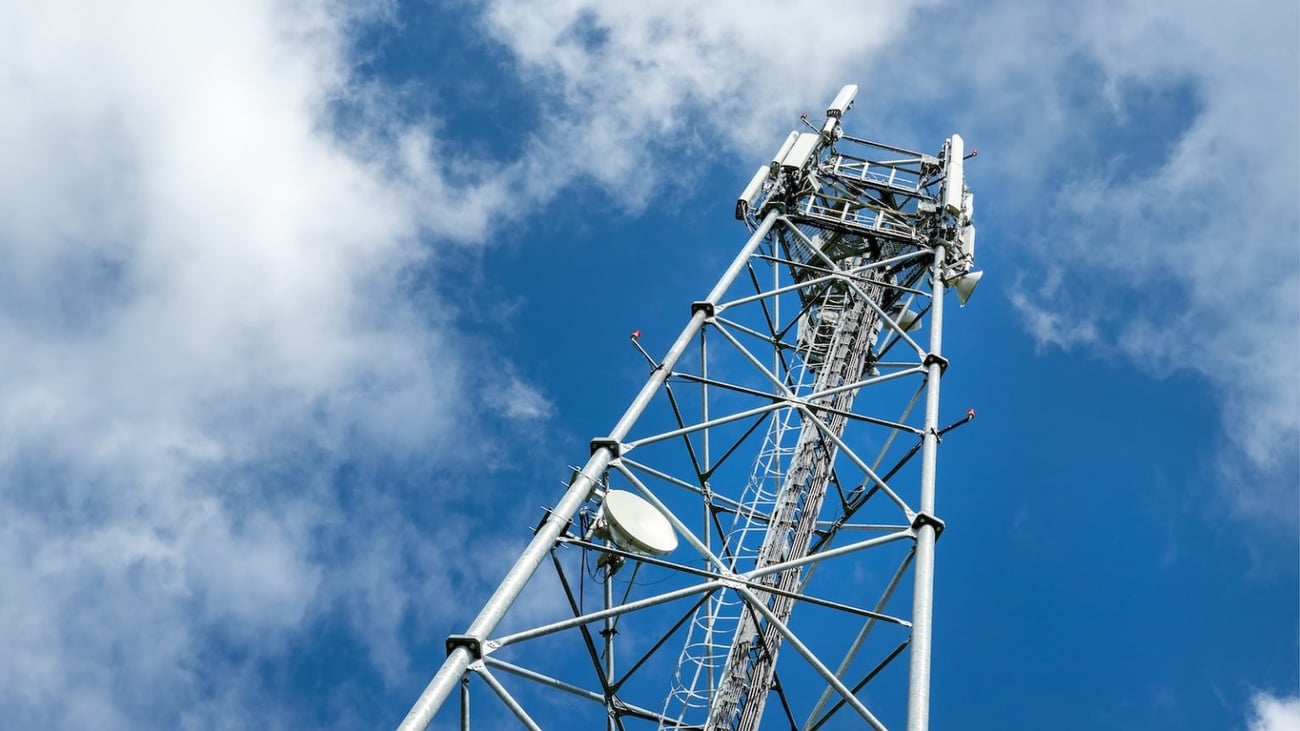
Policy Brief: Readiness and Risk in the 2G/3G Switch-Off |
|
As mobile providers retire older networks by 2025, millions of people who rely on 2G- and 3G-enabled phones, telecare systems, and safety devices risk being disconnected from essential communication and support. |
| Read More Here |
|
|
|
|
|
|
|
|
|
Nationwide customers using these 133 branches sent warning - full list |
|
|
|
Fresh figures from Nationwide Building Society show the decline of in-person banking services - and a list of 133 branches highlights one key issue. |
|
|
|
|
|
|
|
FE News |
|
Government unveils new curriculum to equip young people the skills for life and work |
|
|
|
The Government announces a major update to the national curriculum aimed at preparing young people with essential life and work skills, including AI literacy and media awareness. |
|
|
|
|
|
|
|
|
|
Digital Poverty Alliance partners with De Montfort University to provide free laptops to students, helping bridge the digital divide |
|
|
|
DMU has been actively investigating the impact of digital exclusion on its student community and is committed to implementing practical, data-driven solutions that deliver meaningful change. |
|
|
|
|
|
|
|
|
|
|
|
|
|
|
|
|
|
Digital Poverty Alliance Webinar Series |
|
|
|
Connected Together: Preparing for the UK Digital Landline Switchover |
|
|
|
Connected Together: Preparing for the UK Digital Landline Switchover, delivered last month in partnership with BT, set out the key measures shaping the transition. The session brought together Sodhi Dhillon, Engagement Manager for Digital Voice, BT; Sarah Clegg, Corporate Partnerships Manager, RNID; and Elizabeth Anderson, CEO, Digital Poverty Alliance. They outlined how free engineer visits are provided, how backup power solutions operate in practice, the support available for households without broadband, and the timelines that guide local planning.
For anyone who was unable to attend, the full recording is now available on our YouTube channel. It offers a clear, detailed overview of what the switchover means for residents and the organisations supporting them. |
|
|
|
|
|
|
|
|
|
Donate your surplus devices to the Digital Poverty Alliance |
|
|
|
If you - or your organisation - have laptops, tablets, or smartphones you no longer use, donate them to the Digital Poverty Alliance. Devices in good condition are securely refurbished and redistributed through our delivery programmes. Others are responsibly recycled, with full certification provided by our ADISA-accredited partners.
Unused technology has value. We will ensure it reaches the people who need it most. |
|
|
|
|
|
|
Become a Digital Champion |
|
|
|
Free Digital Champion project-planning toolkit |
|
|
|
Packed with practical advice, downloadable templates, interactive learning modules, real-world case studies, and expert insights, it supports every stage of your journey - from shaping your vision and securing senior buy-in to recruiting Digital Champions and building strong partnerships.
Best of all, it is completely free.
Created by the digital inclusion specialists at Digital Unite, this toolkit draws on over a decade of hands-on experience helping hundreds of organisations bring their digital inclusion initiatives to life. |
|
|
|
|
|
|
|
|
|
|
|
|
|
Digital Poverty Alliance
Digital Poverty Alliance, 3rd Floor, 86-90 Paul Street, London, EC2A4NE, United Kingdom |
|
|
You received this email because you signed up on our website, joined our Community Hub, signed up for one of our events, or you asked us via email or in person.
Unsubscribe |
|
|
|
|